Introduction
For many homeowners, upgrading from a traditional storage tank to a tankless water heater is a practical step toward greater efficiency, comfort, and space optimization. Tankless systems heat water only when you need it, which means no standby heat loss and more consistent hot water for daily chores like showering, dishes, and laundry. If you’re weighing your options, this post highlights the primary benefits homeowners gain from switching to a tankless system and what to consider when choosing and maintaining one.
Energy Efficiency and Lower Utility Bills
On demand heating means the unit is active only when you open a hot water tap. Unlike traditional tanks that continuously heat a reservoir, tankless models conserve energy by avoiding standby losses. This can translate to noticeable savings on your energy bills over time, especially in homes with moderate hot water use. Gas powered and electric tankless heaters are both available, each with its own efficiency profile. In general, you’ll gain:
- Reduced energy waste from keeping water hot 24/7
- Better overall efficiency ratings when sized correctly for your home
- Potential tax incentives or utility rebates in some regions
However, the exact savings depend on your climate, water usage patterns, and the unit you choose. A professional assessment helps determine how much you could save in your particular home.
Space Savings and Aesthetics
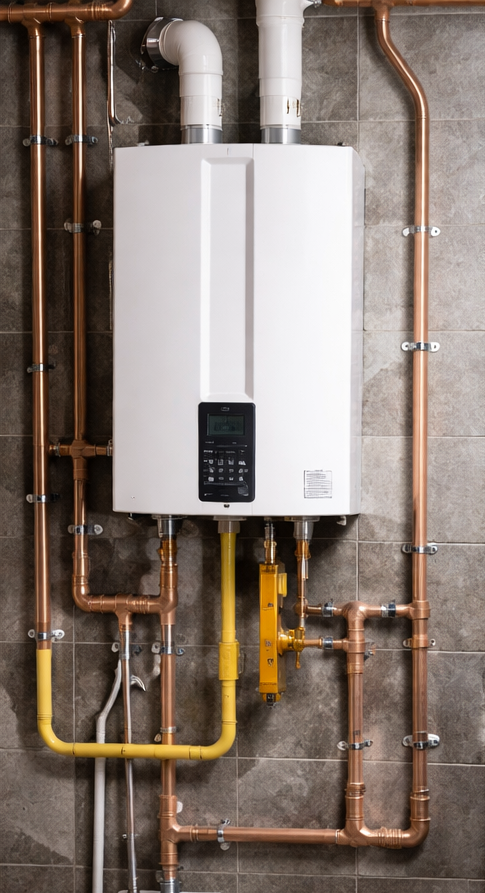
One of the most tangible benefits for homeowners is space savings. Tankless systems are compact and can be mounted on a wall in a garage, utility closet, or outdoor location. This frees up valuable floor space and reduces the clutter often created by bulky storage tanks. In homes with limited attics or crawl spaces, a tankless unit can be a game changer for design flexibility and interior organization.
In addition, many models offer sleek, modern finishes that blend with contemporary home aesthetics. The reduced footprint makes it easier to install near point-of-use locations like a bathroom or kitchen, potentially shortening hot water delivery times as well.
Endless Hot Water and Consistent Temperature
Tankless systems provide hot water on demand, which means you won’t run out in the middle of a shower. The tradeoff is flow rate—the amount of hot water the unit can deliver at once. Whole-home tankless heaters are sized by GPM (gallons per minute) to meet your peak demands. In practice, this means you may need a higher capacity unit if you have multiple showers or runs of hot water simultaneously. A professional can help match your home’s hot water needs to the right tankless model, ensuring you get:
- Consistent water temperature without the cold showers caused by an undersized unit
- Reduced risk of running out of hot water during morning routines
Modern tankless systems also offer advanced temperature control, providing stable output and safer operation for families with children or elderly members.
Longer Lifespan and Durability
Compared with traditional tanks, tankless water heaters generally offer a longer service life. With proper maintenance and the right installation, many tankless units can operate 20 years or more, while storage tanks often require replacement every 10–15 years. The key to this longevity is:
- Minimal components subject to corrosion due to the absence of a large water reservoir
- Regular descaling and flushing to prevent mineral buildup (especially in hard water areas)
- Quality venting and proper sizing to avoid undue stress on the system
Investing in professional maintenance helps protect this extended lifespan and keeps your system running at peak efficiency.
Lower Maintenance and Replacement Costs
While the upfront installation cost of a tankless unit can be higher than a traditional tank, long-term maintenance can be simpler and less costly. Routine service typically involves annual or biannual checks, descaling, and occasional part replacement rather than full tank replacements. Fewer components mean fewer opportunities for leaks and failures, which lowers ongoing maintenance headaches and costs over the life of the system.
Installation Considerations and What to Expect
Proper sizing and professional installation are essential for maximizing benefits. Key factors include:
- Climate and water temperature: Colder incoming water reduces flow capacity, so you may need a larger unit in northern regions.
- Fuel type and venting: Gas models require proper venting and vent material, while electric models have different electrical requirements. Both need correct installation to meet code and safety standards.
- Electrical capacity or gas supply: Your home must have adequate service or gas line capacity for the chosen unit.
- Location: Indoor vs outdoor placement affects efficiency, maintenance access, and weather exposure.
Working with a qualified installer ensures correct sizing, code compliance, and valid warranties. At Mr. Water Heater, we evaluate your home, determine the best tankless option, and handle the full installation process with minimal disruption.
Maintenance Tips to Keep It Running Efficiently
Regular upkeep helps you maximize the benefits of a tankless system. Consider these practices:
- Flush the unit to remove mineral buildup at least once a year in moderately hard water; more often in very hard water areas
- Schedule professional maintenance to inspect heat exchangers, burners, and venting
- Test temperature controls and safety features periodically
- Consider a water softener or conditioner if your supply has extremely hard water
Cost Considerations and Payback
Initial installation costs for tankless systems are typically higher than traditional tanks, largely due to the unit price and the complexity of installation. However, the ongoing energy savings, reduced risk of leaks, and extended lifespan can lead to a favorable payback period over time. Regional incentives, utility rebates, and local codes also influence the total cost and savings. A professional evaluation can model your expected payback based on your family size, hot water usage, and climate.
Conclusion
For homeowners seeking reliable hot water, energy efficiency, space savings, and a longer-lasting system, a tankless water heater is a compelling option. With expert sizing, proper installation, and regular maintenance, you can enjoy endless hot water without the waste and space drawbacks of a traditional tank. If you’re ready to explore tankless solutions, contact Mr. Water Heater for a free assessment, precise recommendations, and a smooth, professional installation that fits your home and budget.✨